In the era of remote work and digital nomadism, a provocative question has emerged: Does the physical office still matter? While the flexibility of the home office has its perks, the specialized office environment remains a cornerstone of corporate culture and individual productivity. Far from being just a collection of desks and chairs. A well-designed office space is a psychological tool, a social hub, and a physical manifestation of a brand’s identity.
The power of office spaces lies in their ability to influence human behavior, spark spontaneous innovation. And provide a sense of belonging that a Zoom call simply cannot replicate. In this article, we explore how the physical environment shapes the modern professional landscape.
The Psychology of Environment: Priming for Productivity
Environmental psychology suggests that our physical surroundings significantly dictate our mental state. This is known as “context-dependent memory and behavior.” When you step into a space specifically designed for work. Your brain receives a signal to switch from a state of relaxation to a state of focus.
Conventional home environments are filled with domestic distractions—the laundry, the kitchen, or the television. An office space, conversely, is an intentional environment. Every element, from the ergonomic height of the desks to the color temperature of the lighting, is engineered to minimize cognitive load. High ceilings are linked to abstract and creative thinking, while more enclosed, private spaces facilitate “deep work” and intense concentration. The power of the office is its ability to act as a psychological “on switch” for the working mind.
The Serendipity Factor: Spontaneous Collaboration
One of the greatest losses in the shift to total remote work is the disappearance of the “watercooler moment.” In a digital environment, communication is almost always scheduled and transactional. You join a meeting with a specific agenda and leave once the task is finished.
Physical office spaces foster serendipity—the accidental encounter that leads to a breakthrough idea. Whether it is a conversation in the hallway, a shared lunch, or an overheard comment across a desk, these unplanned interactions are the seeds of innovation. This is often called “the strength of weak ties.” Interacting with colleagues from different departments whom you wouldn’t normally message on Slack creates a cross-pollination of ideas. The office provides the fertile ground where these random, high-value connections can grow.
Cultural Anchor: Branding Beyond the Logo
For many organizations, the office space is the most tangible expression of their brand and values. A company that values transparency might utilize glass walls and open floor plans, while a firm focused on heritage and stability might opt for heavy wood and traditional layouts.
For employees, the office serves as a cultural anchor. It is a physical reminder that they are part of something larger than themselves. Walking into a lobby that showcases the company’s history, mission, and achievements builds a sense of pride and collective identity. This “spatial branding” helps in talent retention and recruitment; a workspace that feels inspiring and professional communicates to employees that their work is valued and that the company is invested in their well-being.
The Evolution of Design: Beyond the Cubicle
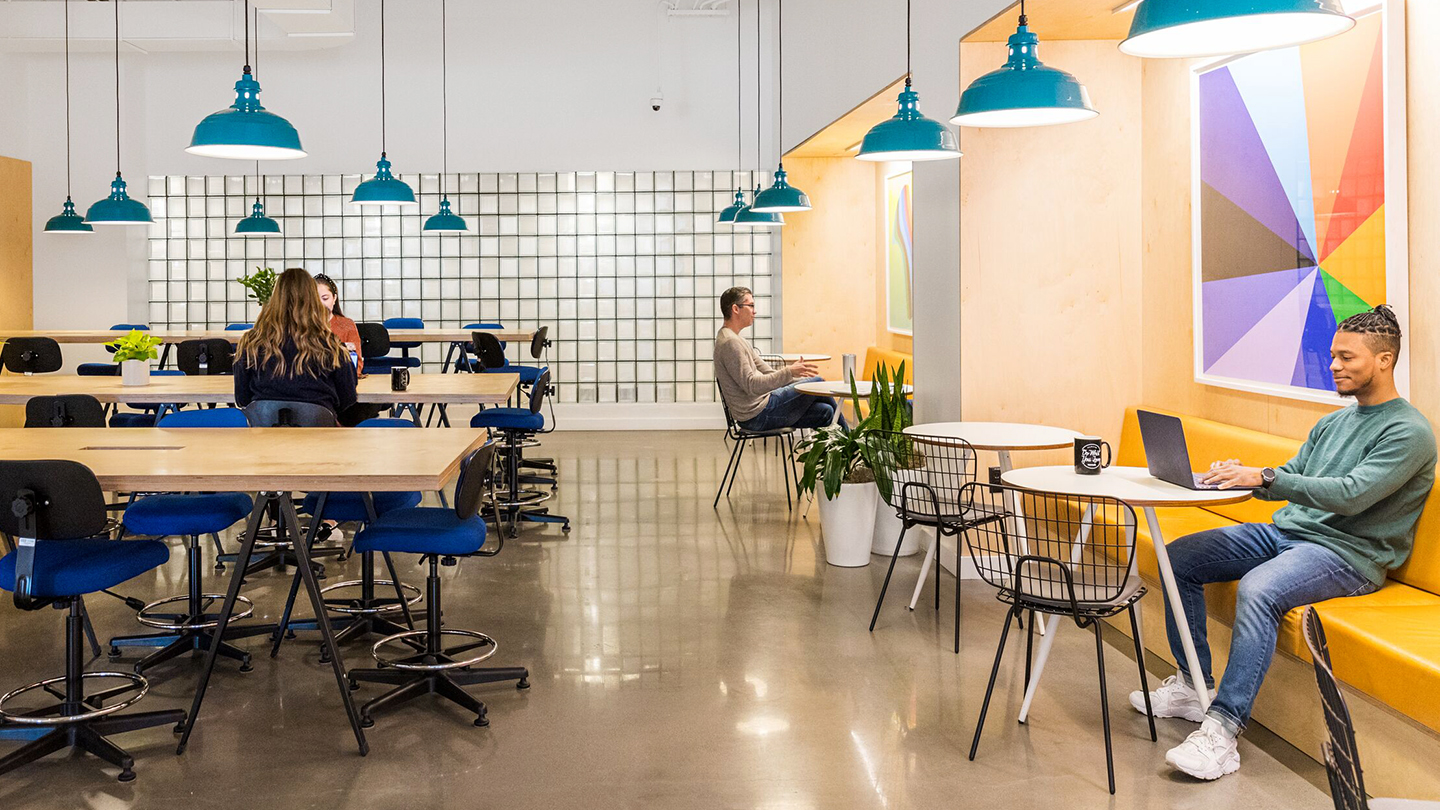
The power of office spaces in 2026 is no longer about the rigid “cubicle farm” of the 1990s. Modern office design has embraced “Activity-Based Working” (ABW). This philosophy recognizes that one desk does not fit all tasks. A dynamic office today offers a variety of zones:
- Social Zones: Cafes and lounges designed for informal meetings and community building.
- Focus Zones: Soundproof pods or library-style quiet areas for deep analytical work.
- Collaborative Zones: Rooms equipped with interactive technology for brainstorming and team-led projects.
- Wellness Zones: Areas for meditation, prayer, or physical stretching to combat sedentary fatigue.
By providing choice, the office empowers employees to control their environment based on their immediate needs, leading to higher job satisfaction and lower stress levels.
Human Connection and the Fight Against Isolation
While digital tools have made us more efficient, they have not necessarily made us more connected. Humans are social animals, and prolonged isolation can lead to a decline in mental health and professional morale. The office provides the “social fabric” that supports mental well-being.
The subtle cues of body language, the shared laughter in a breakroom, and the ability to turn to a colleague for immediate support create a support system that technology cannot emulate. This social density builds trust. It is much easier to resolve a conflict or brainstorm a solution when you can see the empathy and intention in a person’s eyes. The physical office combats the “loneliness epidemic” by providing a consistent community of peers.
Conclusion: Reclaiming the Physical Hub
The office is not dying; it is being redefined. Its power no longer comes from being a place where people are “forced” to sit for eight hours, but from being a destination where people want to go to connect, create, and focus.
The most successful companies of the future will be those that view their office space as a strategic asset. By prioritizing ergonomics, fostering spontaneous collaboration, and creating a space that reflects authentic brand values, organizations can harness the silent power of the environment to drive success. In a world that is increasingly virtual, the physical space we inhabit remains the most powerful influence on the work we produce.